
Healthcare
Expand access to healthcare by supporting rural, community-based clinics and hospitals, particularly those that are publicly-owned or that demonstrate a commitment to serving the community and not extracting wealth.
Expand Medicaid, develop new kinds of BadgerCare programs to include more groups of people, and establish a public insurance option to compete with private plans.
LGBTQIA healthcare access
Overturn the state's 1849 abortion law
Data Centers
Rescind the data center tax credit
Work with the Public Service Commission to create a demand-response mechanism that would enable utilities to turn off power to data centers when the grid risks overwhelm.
Work with the Department of Natural Resources to develop a plan to ensure the state's water supply is protected.
Commission an analysis of the state's power grid and where data centers would threaten reliability.
Democracy
Ranked choice voting
Amend the constitution to allow citizen ballot initiatives
Repeal voter ID
Increase transparency from public entities and corporations; ban civil servants from signing non-disclosure agreements
Repeal law allowing exorbitant charges for public records requests
Fiscal issues
Cancel contracts with Wall Street firms managing the Wisconsin Retirement System fund and bring those jobs back in house so that all decisions regarding investments are being made by state employees.
Establish a public bank that will provide "green financing" for climate resilience projects in communities around the state.
Tighten restrictions on payday lending.
Adjust the revenue-sharing formula so state funds are distributed more equitably between large and small communities.
Expand the state retirement system so that all Wisconsinites can participate.
Small Businesses
Childcare options for small business owners
Affordable loans for energy efficiency and renewable energy investments
Support technical college internship placement programs
Seniors
Ensure funding for county-owned nursing homes
Regional Transit
Create the ability to establish regional transit authorities that can coordinate public transit systems and options in the state's larger metro areas as well as developing bus or train service between rural areas and metro regions. This will help workers get to light manufacturing jobs in exurban areas and support the elderly, young and disabled who need to travel for medical and other visits.
University of Wisconsin System
SCHOOLS
Free school meals
Universal childcare through an employer payroll tax levied on all sectors: nonprofit, corporate, government and entrepreneurs.
Support the creation of affordable, licensed providers
Roll back voucher program
Fully support special education
Develop a strategy for funding all Wisconsin K-12 schools regardless of a community's tax base.
Increase state funding for the university system.
Increase the quota of state high school graduates admitted annually with a trajectory to ensure that 50% of all Wisconsin high school graduates have access to the university system.
Stop the closure and sales of two-year campuses.
Develop a plan for funding the teaching faculty at two-year colleges so the systems aren't reliant on underpaid adjunct faculty with no job security.
Conduct outreach to farmers and small business owners to see what university research and offerings would benefit them.
ENVIrONMENT
Promote a statewide program to help counties become more disaster resilient. An initial phase would entail mapping and cataloguing all assets such as roads, culverts, bridges, etc.
Ensure the UW Extension is supporting counties' resilience by sharing farming techniques that will minimize run-off and promote water absorption, etc.
LABOR
Roll back contract work and consultancies for state agencies and hire people into the civil service system.
Overturn Act 10
Support One Fair Wage establishing a single minimum wage for all hourly workers, which enables tipped workers to receive gratuities beyond a standard baseline.
Policy
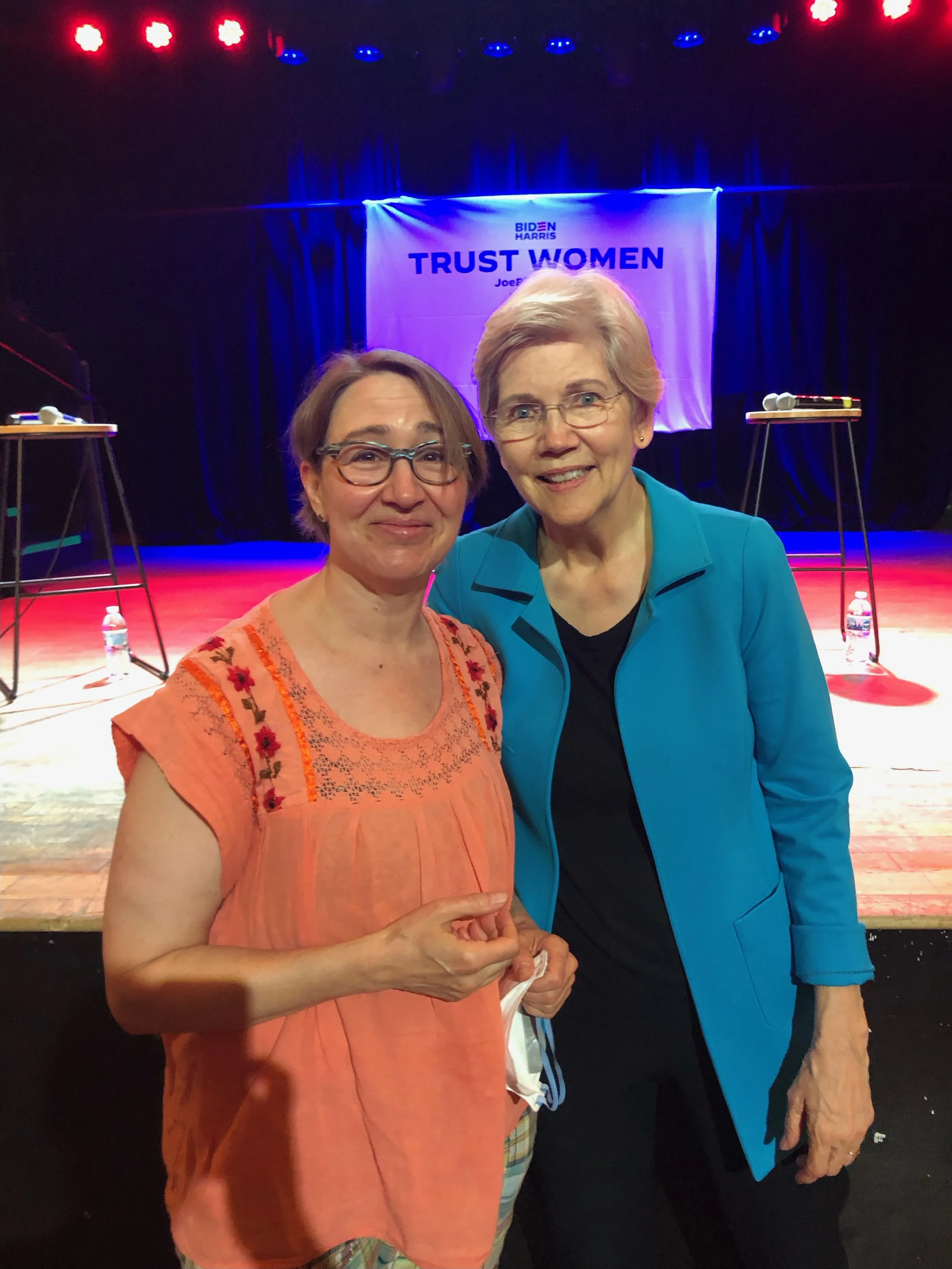
Zoe Sullivan is focused on policies that make everyday life more affordable, fair, and dignified for people across Wisconsin. She believes that essentials like housing, healthcare, education, and senior care should support families — not drain them — and that our systems must be redesigned to work for everyone, not just those at the top. With a background in building trusted institutions and a decade spent defending workers’ and immigrants’ rights, Zoe brings practical experience, deep empathy, and a commitment to solidarity to her policy work. Her priorities are focused in economic fairness, strong communities, and creating systems that truly serve the people they’re meant to support.